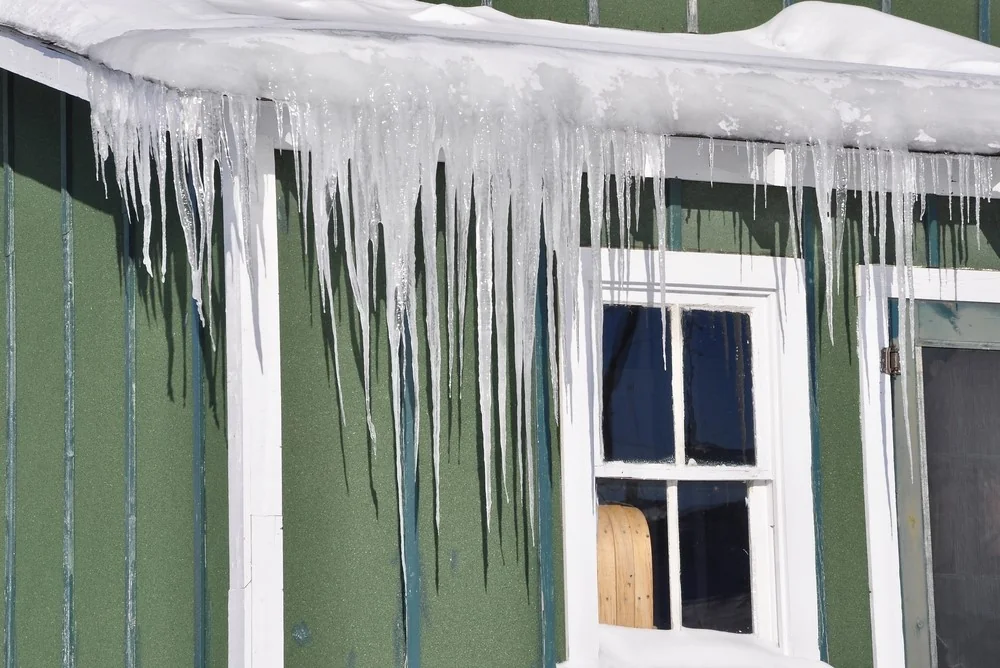
In business facilities, ice buildup poses serious liability risks that can lead to costly accidents. By implementing effective ice removal strategies, you can safeguard your employees and customers while protecting your bottom line. Regular monitoring of weather conditions and using quality de-icing products are just the beginning. Proactive measures can greatly enhance safety, but are you fully aware of the legal implications and best practices to mitigate these risks? Let’s explore the essential steps to take.
Key Takeaways
- Implementing ice removal strategies minimizes slip-and-fall incidents, reducing the risk of costly lawsuits and legal liabilities.
- Regular inspections and maintenance help identify hazardous ice conditions before they lead to accidents, ensuring a safer environment.
- Using high-quality de-icing products and heated walkways enhances safety and demonstrates proactive care, which can deter legal claims.
- Effective ice management leads to improved customer satisfaction by maintaining safe access, encouraging foot traffic, and reducing lost sales.
- Proactive communication of safety measures builds trust with customers and employees, fostering a positive reputation and community relations.
Understanding Liability Risks From Ice Buildup
When it comes to managing your business facilities, understanding liability risks from ice buildup is essential. Ice can accumulate in various areas, creating hazardous conditions for both employees and customers. Slip-and-fall incidents can lead to costly lawsuits and damage your reputation. To mitigate these risks, you should regularly inspect walkways, parking lots, and roofs for ice formation. Implementing proactive ice removal strategies, like de-icing agents and proper drainage systems, can greatly minimize hazards. Additionally, maintaining clear signage to warn of potential ice dangers is vital. By prioritizing ice management, you not only protect your facility but also foster a safe and welcoming environment that builds trust within your community. Remember, safety is a shared responsibility that enhances everyone’s experience.
The Impact of Ice on Business Operations
Ice buildup not only poses liability risks but can also disrupt business operations considerably. When walkways, parking lots, and entrances are icy, employees and customers face hazardous conditions, leading to decreased foot traffic and potential injuries. This can result in lost sales and lowered morale among your team. Additionally, if deliveries are delayed due to icy conditions, your supply chain suffers, affecting inventory and customer satisfaction. You might even face increased insurance premiums if accidents occur. By recognizing these impacts, you can prioritize ice management to guarantee a safe environment for everyone. Taking proactive steps not only protects your business from liability risks from ice buildup but also fosters a sense of community and care among your staff and customers.
Effective Ice Removal Strategies for Businesses
To effectively manage ice buildup and minimize liability risks from ice accumulation, businesses should implement a combination of proactive strategies. Start by regularly monitoring weather conditions to anticipate ice formation. Invest in high-quality de-icing products and guarantee staff is trained to use them correctly. Establish a schedule for routine inspections of walkways, parking lots, and entrances, clearing any ice immediately. Consider using heated mats or sensors that alert you to temperature changes. Additionally, communicate clearly with employees and customers about safety measures in place. By fostering a culture of safety and preparedness, you not only protect your business but also create an environment where everyone feels valued and secure. These steps can markedly reduce liability risks from ice buildup.
Legal Implications of Inadequate Ice Management
Inadequate ice management can expose businesses to considerable legal implications. When ice accumulates, it poses a serious risk for slips and falls, leading to potential lawsuits. If someone gets injured on your property due to ice buildup, you could face liability risks from ice buildup that may result in costly legal fees and settlements. Courts often assess whether you took reasonable steps to mitigate these hazards. This means having an effective ice removal strategy is essential for protecting both your customers and your bottom line. By prioritizing proactive measures, you can demonstrate your commitment to safety and considerably reduce your legal exposure. Investing in proper ice management isn’t just smart; it’s an essential part of running a responsible business.
Enhancing Safety and Reducing Liability With Proactive Measures
When you prioritize proactive measures for ice management, you greatly enhance safety and minimize liability risks from ice buildup on your business premises. Implementing regular inspections and maintenance schedules guarantees you identify potential hazards before they escalate. Utilizing ice melt products and installing heated walkways can considerably reduce slippery conditions, keeping your customers and employees safe. Additionally, training staff on effective snow and ice removal techniques fosters a culture of safety within your organization. By communicating your commitment to safety, you not only protect your business but also create an environment where everyone feels valued and secure. Ultimately, these proactive strategies not only safeguard against accidents but also build trust and community among your clients and team.
Conclusion
Implementing effective ice removal strategies isn’t just a good practice; it’s essential for protecting your business. By actively monitoring weather conditions and applying high-quality de-icing products, you create safer environments for both employees and customers. Proactive measures like routine inspections and staff training further enhance safety and greatly reduce your liability risks. Don’t wait for an accident to occur—prioritize ice management today to safeguard your business’s reputation and financial well-being.
You May Also Like To Read: