Timely roof replacement is a crucial aspect of maintaining a business’s structural integrity and financial health. Neglecting this essential task can lead to significant issues, such as leaks and mold, which compromise both safety and aesthetics. A well-maintained roof not only protects against costly repairs but also enhances property value. Understanding the signs and implications of roof deterioration is essential for business owners aiming to safeguard their investments. What factors should be considered in this decision-making process?
Key Takeaways
- Timely roof replacement prevents costly repairs from leaks, protecting your financial resources and maintaining operational efficiency.
- A new roof enhances property value, making your business more attractive to potential buyers or tenants.
- Replacing the roof before its lifespan ends reduces the risk of structural damage, safeguarding your investment over time.
- Improved energy efficiency from a new roof can lead to lower utility costs, positively impacting your bottom line.
- Warranties on new roofs provide financial protection against future expenses, reinforcing your business stability and reducing long-term costs.
Understanding the Importance of Roof Maintenance for Your Business
Effective roof maintenance is essential for any business, as it directly impacts operational efficiency and financial stability. Businesses must be proactive in understanding when to replace a roof to safeguard their investments. A well-maintained roof not only enhances the aesthetic appeal of a property but also prevents costly repairs caused by leaks or structural damage. Regular inspections and timely interventions guarantee that potential issues are addressed before they escalate. Additionally, an aging roof can lead to increased energy costs and reduced employee morale. By evaluating the condition of the roof periodically, businesses can make informed decisions about replacement, thereby fostering a sense of security and belonging among stakeholders. Ultimately, prioritizing roof maintenance reflects a commitment to the longevity of the business.
Signs Indicating It’s Time to Replace Your Roof
How can a business owner discern when it’s time to replace a roof? Several indicators signal the necessity for replacement. Visible signs include significant shingle damage, such as curling, cracking, or missing pieces. Additionally, persistent leaks, water stains on ceilings, or mold growth are critical signs of underlying issues. A sagging roof deck may suggest structural failure, necessitating immediate attention. Furthermore, if the roof is approaching or surpassing its expected lifespan—often 20-25 years for many materials—it may be time to evaluate a replacement. Regular inspections are essential, enabling business owners to proactively identify these symptoms. Recognizing these signs not only preserves the integrity of the establishment but also fosters a sense of belonging in a well-maintained business environment.
The Financial Impact of Delaying Roof Replacement
Delaying roof replacement can have significant financial ramifications for business owners. As minor issues escalate into major problems, repair costs can skyrocket, eroding budgets and diverting funds from essential business operations. Furthermore, a deteriorating roof may lead to property damage, adversely affecting inventory and equipment, which can result in unanticipated expenses. Additionally, the longer a roof remains unreplaced, the more it depreciates the overall value of the property. This depreciation can deter potential investors or buyers, ultimately impacting long-term financial stability. In addition, insurance claims related to roof damage can complicate future coverage and increase premiums. Understanding when to replace a roof is vital for preserving financial investments and ensuring the longevity of a business.
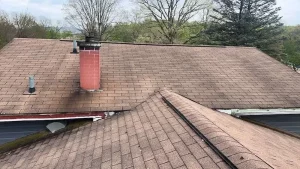
Choosing the Right Time for Roof Replacement
Determining the ideal timing for roof replacement is essential for maintaining business integrity and safeguarding investments. Businesses should consider a range of factors, including the age of the roof, the frequency of repairs, and the seasonal weather patterns in their region. A roof nearing the end of its lifespan often shows visible signs of wear, prompting the need for replacement. Additionally, planning a roof replacement during dry seasons minimizes disruptions and enhances safety for workers. By proactively evaluating when to replace a roof, business owners can avoid costly emergency repairs and guarantee operational continuity. Prioritizing this critical maintenance task reflects a commitment to long-term sustainability, ultimately fostering a secure environment for employees and clients alike.
Long-Term Benefits of Timely Roof Replacement for Your Investment
While many business owners may overlook the importance of roof maintenance, timely roof replacement serves as an essential investment that yields significant long-term benefits. A well-maintained roof enhances property value, ensuring that businesses remain attractive to potential buyers or tenants. Moreover, it reduces the risk of structural damage and costly repairs, ultimately preserving the integrity of the investment. By addressing roofing issues proactively, businesses can also improve energy efficiency, leading to lower utility costs. Additionally, a new roof often comes with warranties that provide peace of mind and reduce future expenses. Understanding when to replace a roof is vital; timely action not only protects the physical structure but also reinforces the emotional and financial stability of the business investment.
Frequently Asked Questions
How Does Weather Impact the Lifespan of a Commercial Roof?
Weather greatly affects the lifespan of a commercial roof. Extreme temperatures, heavy rainfall, and harsh winds can accelerate deterioration, leading to potential leaks and structural damage, necessitating timely assessments to determine when to replace a roof effectively.
Can I Replace My Roof During Winter Months?
Replacing a roof during winter months is possible, though it presents challenges such as temperature fluctuations and potential snow. Careful planning and selecting appropriate materials can guarantee a successful installation despite adverse weather conditions.
What Types of Roofing Materials Are Best for Businesses?
Metal, TPO, and EPDM roofing materials are ideal for businesses, offering durability, energy efficiency, and low maintenance. Selecting the right material enhances longevity and performance, ensuring maximum protection and cost-effectiveness for commercial properties.
How Often Should I Inspect My Roof for Issues?
Regular roof inspections should occur biannually, ideally in spring and fall. This proactive approach helps identify potential issues early, ensuring the longevity of the roof and minimizing costly repairs, ultimately safeguarding the business’s financial interests.
Will a Roof Replacement Increase My Property Value?
A roof replacement typically increases property value by enhancing aesthetic appeal, improving energy efficiency, and reducing maintenance costs. Property owners should consider this investment to maximize long-term returns and guarantee their asset remains competitive in the market.
Conclusion
Ultimately, timely roof replacement is an essential investment for any business. By prioritizing roof maintenance and recognizing the signs of deterioration, business owners can prevent costly repairs and protect their property’s structural integrity. Delaying replacement only exacerbates financial risks, while proactive action enhances aesthetic appeal and operational efficiency. Ultimately, a well-maintained roof not only safeguards against potential damage but also contributes to long-term stability and value appreciation, ensuring the continued success of the business.
You May Also Like To Read: